CCTV Drain Survey Streatham
Covering postcodes: SW16

Need a drain survey in Streatham?
London drainage specialists with same-day availability. WRC-standard report within 24 hours.
· Streatham, London
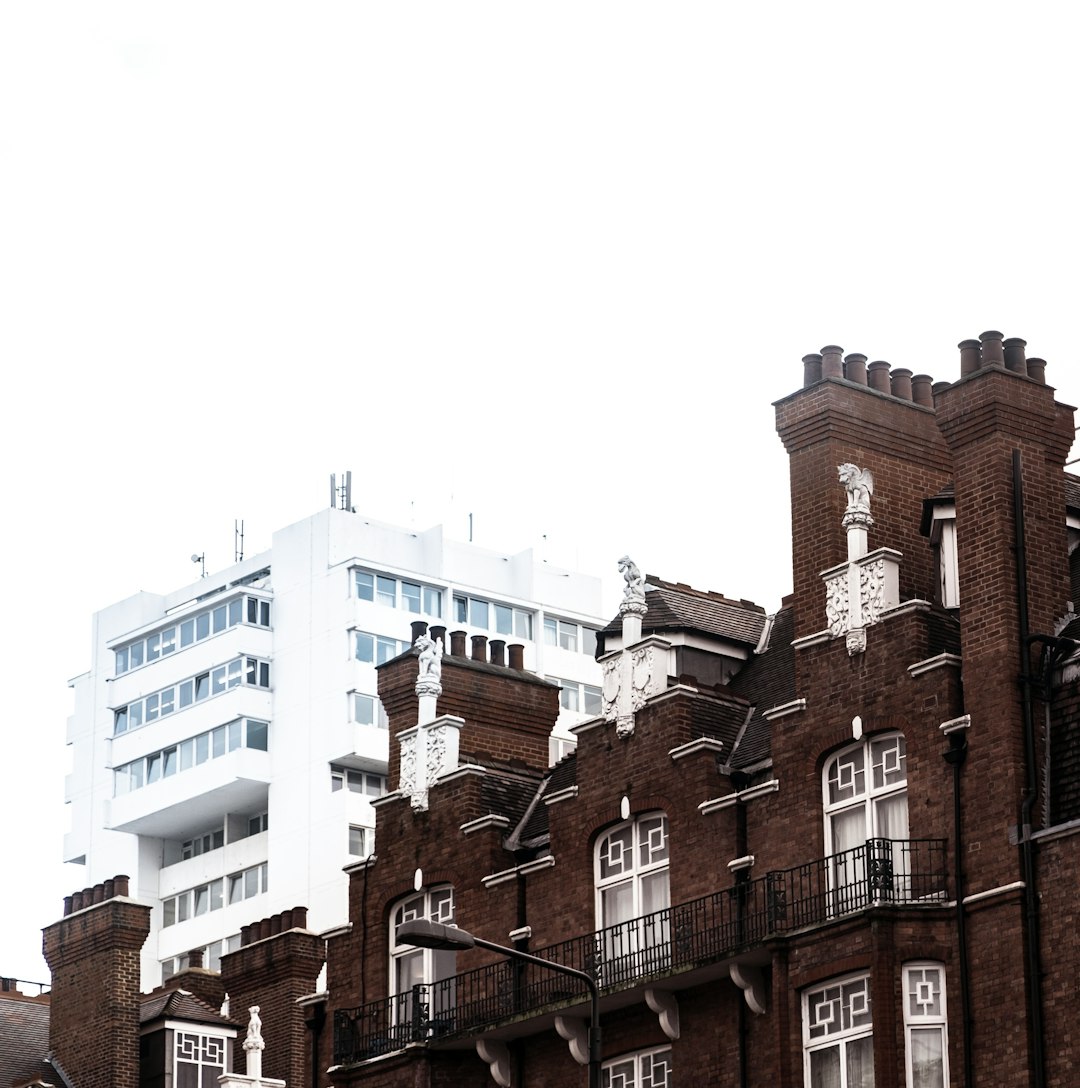
Streatham is one of south London’s largest suburban districts, occupying a significant stretch of SW16 between the elevated ground of Streatham Common and the lower residential streets towards Norbury and Streatham Vale. The housing stock reflects its development history: substantial Edwardian semi-detached houses on the main residential roads, Victorian terraces in the earlier-developed sections, and 1930s suburban housing on the outer fringes. The drainage beneath each generation of this housing has its own characteristic failure mode.
Edwardian Housing and Pitch Fibre Drainage
The dominant property type in Streatham’s most desirable residential areas — the broad streets around Streatham Hill, Leigham Court Road, and the roads leading down to Streatham Common — is the Edwardian semi-detached house, typically built between 1900 and 1914. These properties were constructed with more generous pipe diameters than the earlier Victorian terraces, and the drainage layouts were often better planned.
However, a significant proportion of these properties had drainage repairs carried out in the post-war period, between approximately 1950 and 1980. During this period, pitch fibre pipe was the standard repair material — lightweight, easy to cut, and at the time considered a reasonable substitute for clay. Over subsequent decades it has proved problematic: pitch fibre absorbs moisture from the surrounding ground and deforms, gradually changing from a circular to an oval cross-section. As deformation progresses, the bore restriction worsens until the pipe is effectively blocked or collapses.
CCTV drain surveys in Streatham regularly identify pitch fibre sections in advanced deformation. These are typically WRC Grade 2 defects — actively deteriorating and requiring planned repair. The appropriate solution is drain relining, which restores the bore and encases the deformed pitch fibre within a new structural liner.
Victorian Terrace Drainage in SW16
The Victorian terrace sections of Streatham — in parts of Streatham Hill closer to Brixton, and in the streets around Streatham Common North — have the standard south London Victorian drainage profile: clay pipes, combined sewers, and shared rear garden lateral runs serving multiple properties before joining the public sewer.
London clay drives the structural failure mode here. The shrink-swell cycle of the clay subsoil opens clay pipe joints over time, allowing roots to enter and solids to accumulate at deformation points. Joint displacement in Streatham’s Victorian clay drainage is consistent and well-established — the pipes have been subject to over 130 years of seasonal movement.
The Streatham Homebuyer Market
Streatham has seen significant homebuyer activity over the past decade, driven by buyers seeking the Edwardian family housing stock at prices below Balham and Clapham. The pre-purchase drain survey market has grown correspondingly. Buyers in SW16 are increasingly treating drain surveys as standard due diligence, particularly for the larger Edwardian properties where the drainage system is complex and the potential repair costs are significant.
A CCTV drain survey in Streatham takes 60 to 90 minutes for a standard Edwardian semi-detached, producing a WRC-standard report within 24 hours that gives buyers complete information about the drainage condition before exchange. Our engineers cover all SW16 postcodes with same-day availability.

Property Types in Streatham
- Edwardian semi-detached houses
- Victorian terraces
- 1930s suburban semi-detached
- Period mansion flat conversions
- Post-war housing
Common Drainage Issues in Streatham
- Pitch fibre deformation from post-war repairs
- London clay joint displacement
- Root ingress from mature garden trees
- Shared drain disputes in terrace rows
- Clay pipe deflection on long rear laterals
Frequently Asked Questions — Streatham
What makes Streatham's Edwardian drainage different from Victorian terrace drains?
Is root ingress common in Streatham SW16 drain surveys?
How does London clay affect Streatham drainage?
Do Streatham properties have shared drains?
Get a free survey quote today
Local engineers covering Streatham. WRC-standard reports, no hidden fees.