CCTV Drain Survey Shoreditch
Covering postcodes: EC2, E1
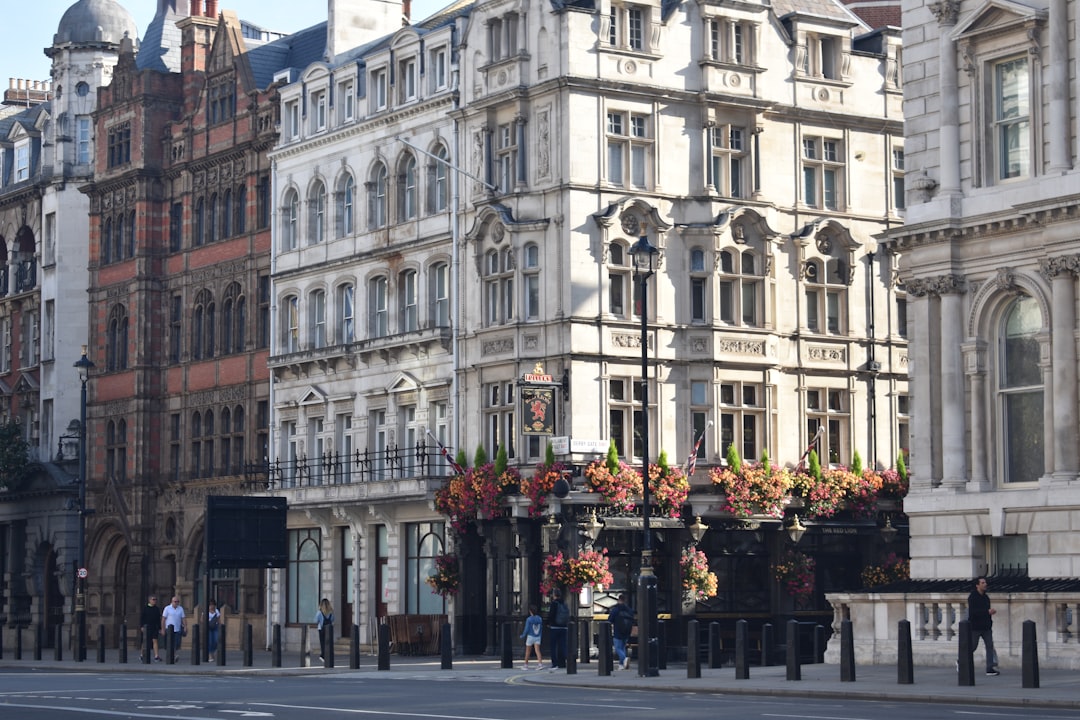
Need a drain survey in Shoreditch?
London drainage specialists with same-day availability. WRC-standard report within 24 hours.
· Shoreditch, London
What Does a CCTV Drain Survey in Shoreditch Involve?
A CCTV drain survey in Shoreditch provides a high-definition camera assessment of drainage systems with WRC condition grading. Shoreditch’s drainage landscape is defined by its converted warehouse stock, high density of commercial food-service and hospitality premises, and the combined sewer network beneath EC2 and E1 that takes both storm water and foul water.
Shoreditch is one of London’s most commercially dynamic areas — the former industrial and garment district is now home to tech offices, creative agencies, restaurants, bars, galleries, and residential lofts. Each of these land uses creates distinct drainage demands that require specialist survey expertise.
Why Is Converted Industrial Drainage Particularly Complex in Shoreditch?
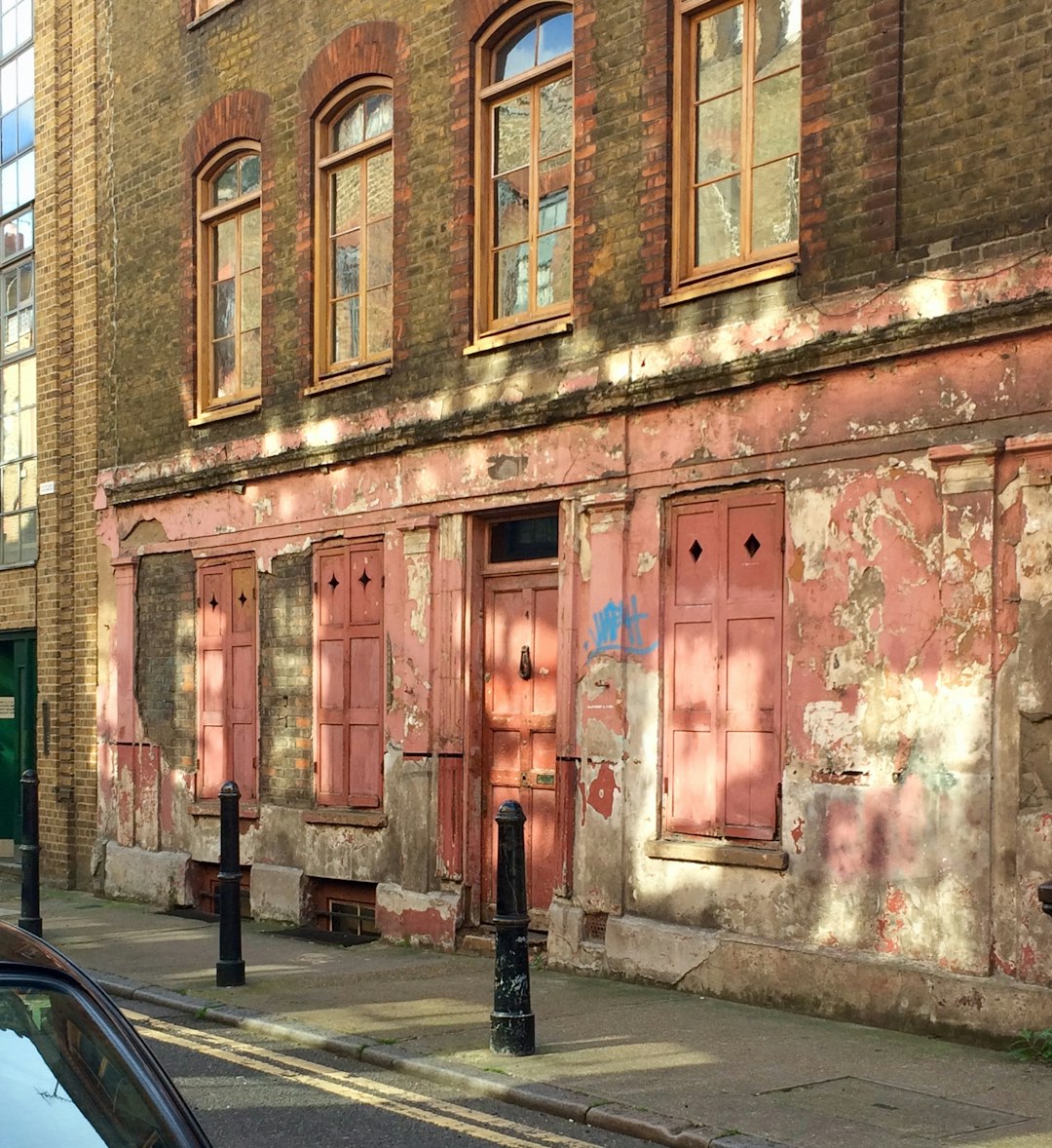
Shoreditch’s conversion history — from industrial and garment manufacturing to creative and residential use — spans four decades of successive fit-out cycles. The drainage in a typical Shoreditch warehouse conversion may include original Victorian or Edwardian industrial drainage, commercial-grade modifications from the 1980s and 1990s, residential adaptations from the 2000s and 2010s, and the most recent fit-out connections.
Each successive phase has typically modified the drainage without creating or updating a drainage layout plan. The result is a system that is virtually impossible to map without a camera survey. Undocumented connections, pipe material changes from cast iron to clay to plastic within a single run, and routing that deviates significantly from what would be expected from the surface layout are standard Shoreditch findings.
For new building occupiers — residential purchasers, commercial tenants, building managers — understanding the as-built drainage is essential before any works, fit-out, or compliance assessment. A CCTV survey creates the drainage layout that should have existed from the outset.
What Are the Commercial Drainage Risks in Shoreditch?
Shoreditch’s commercial density — particularly the concentration of restaurants, bars, and food-service premises around Curtain Road, Old Street, Hoxton Square, and the Brick Lane corridor — creates significant fat, oil, and grease discharge into the combined sewer network. Thames Water reports consistently higher FOG-related blockage rates in the EC1/EC2/E1 area than the London average, reflecting the density of commercial food-service premises in this cluster.
Commercial operators who contribute to sewer blockages through inadequate grease management face Thames Water enforcement action and Westminster-equivalent regulatory exposure. Annual CCTV drain surveys provide the compliance documentation that demonstrates active drainage management — and identifies any grease accumulation requiring clearance before it reaches blockage severity.
Pre-lease surveys for Shoreditch commercial premises are increasingly standard practice among commercial solicitors advising restaurant and hospitality clients. Grease accumulation left by a previous tenant becomes the new tenant’s liability from the moment the lease is signed. Identifying it before signing is the appropriate commercial due diligence.
What Survey Approach Is Used for Shoreditch Tech Offices?
Tech and creative offices in Shoreditch — concentrated around Old Street, Shoreditch High Street, and the Curtain Road corridor — typically require a survey focused on sanitary drainage from WC and welfare facilities, any kitchen or catering connections, and the building’s connection to the public sewer.
For larger office buildings — particularly those that have been refurbished for multiple tenants — the drainage layout may be complex and incompletely documented. A CCTV survey provides the drainage plan that building managers, facilities teams, and commercial agents need for maintenance planning and compliance purposes.
Updated: April 2026. Request a free quote online for Shoreditch drain survey availability.
Property Types in Shoreditch
- Converted warehouses
- Tech and creative offices
- Mixed-use commercial buildings
- Residential lofts
- Period terraces
Common Drainage Issues in Shoreditch
- Undocumented drainage in converted industrial buildings
- Commercial FOG discharge from high-density restaurant and bar premises
- Mixed pipe materials from successive fit-out cycles
- Combined sewer surcharging in EC2 combined catchment
- Pre-lease drainage liability transfer to new tenants
Frequently Asked Questions — Shoreditch
What drainage surveys are needed for Shoreditch warehouse conversions?
How does the density of Shoreditch restaurants affect local drainage?
Are pre-lease drain surveys standard practice for Shoreditch commercial premises?
Does Shoreditch's combined sewer network create drainage risk for basement and ground-floor properties?
Get a free survey quote today
Local engineers covering Shoreditch. WRC-standard reports, no hidden fees.