CCTV Drain Survey Romford
Covering postcodes: RM1, RM7

Need a drain survey in Romford?
London drainage specialists with same-day availability. WRC-standard report within 24 hours.
· Romford, London
CCTV Drain Surveys in Romford
Romford sits at the outer edge of the London administrative boundary — technically within the London Borough of Havering — but in drainage terms it shares the same challenges found across the eastern sector: London clay geology, Victorian and interwar housing stock with ageing pipe infrastructure, and a mixed urban and suburban context that ranges from dense town centre commercial to leafy interwar garden estates.
RM1 and RM7 cover the central Romford area and the Gidea Park, Harold Wood, and Collier Row districts respectively. Our CCTV drain surveys cover all of these areas, delivering full HD camera inspection and WRC-graded condition reports. Request a free quote online.
Romford’s Drainage History and Housing Stock
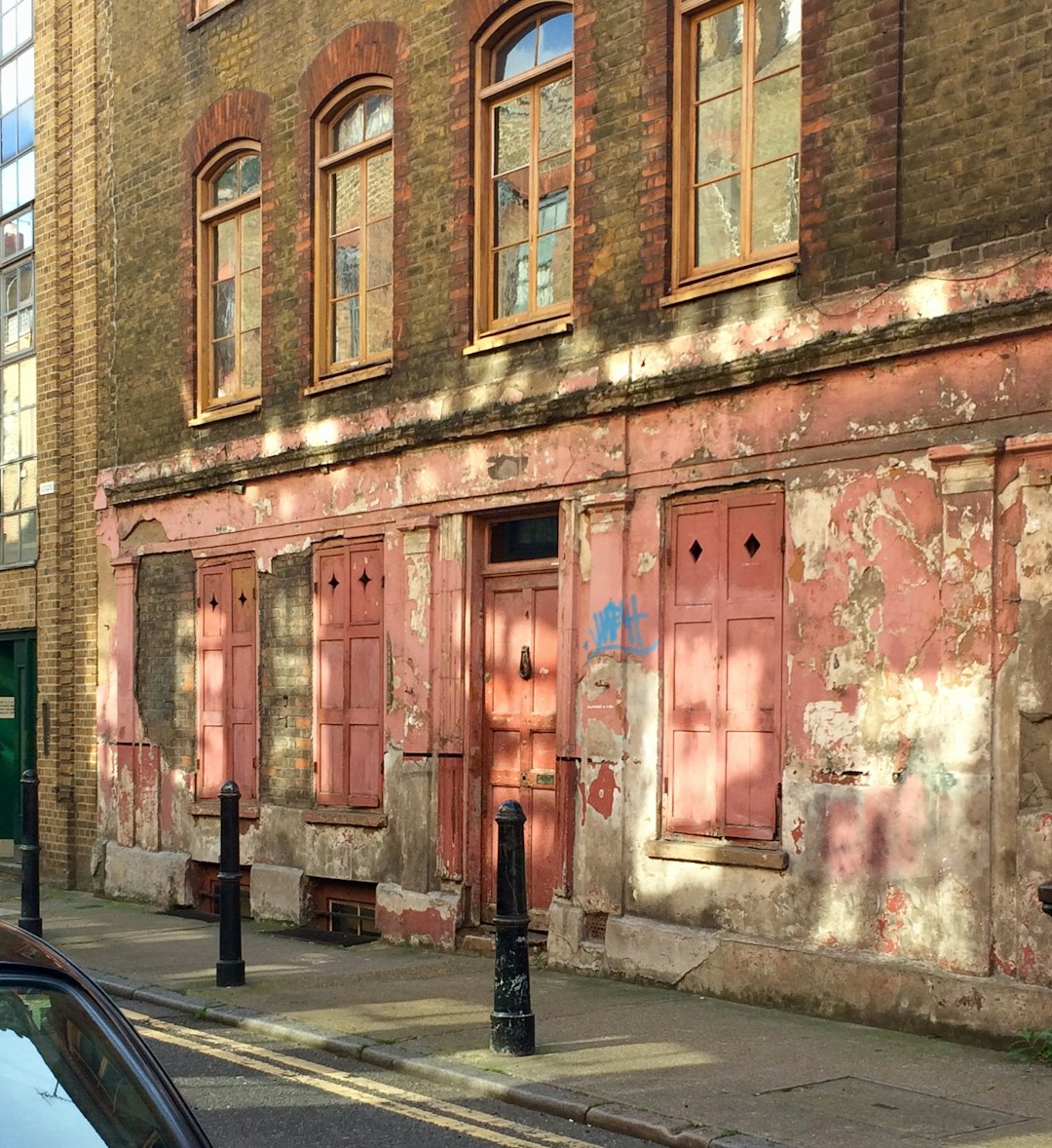
Romford was a market town before its absorption into the London County Council area, and its housing development reflects that layered history. The oldest residential streets around the town centre contain Victorian and Edwardian cottages and terraces, built for market workers and early commuters on the Great Eastern Railway. These properties have clay pipe drainage dating from the 1880s through to 1910.
The interwar period brought a major expansion of Romford’s residential area. Gidea Park was developed as a model garden suburb — a socially aspirational project that attracted quality construction but also created the long-run drainage layouts across large plots that are now showing their age. Further interwar semi-detached housing spread across Collier Row, Emerson Park, and the corridors north and east of the town centre.
Post-war development filled in the remaining land with housing that used pitch-fibre and concrete drainage. Harold Wood and the eastern edges of RM7 contain significant post-war stock, much of which has pitch-fibre drain runs now well past their 40-year design life.
Clay, River, and Drainage Risk in Romford
Romford sits on London clay overlain by river terrace gravels in the lower-lying areas near the River Rom. The clay geology creates the same shrink-swell ground movement found throughout east London — displacing pipe joints, creating gaps for root entry, and progressively degrading older clay pipe infrastructure. The River Rom corridor adds a groundwater dimension: properties within a few streets of the river often have higher water tables, contributing to infiltration in any compromised pipe joint.
The combination of clay ground movement and elevated groundwater is particularly challenging for drain pipes. Water finds any displaced joint and infiltrates the drain, increasing the volume in the private drainage network and in the public sewer beyond. Thames Water’s sewer modelling for Romford shows above-average infiltration rates in some RM1 and RM7 catchments — a reflection of the underground condition of older drain runs across the area.
What CCTV Surveys Typically Reveal in Romford
Joint displacement is the most common finding across Victorian and Edwardian stock in RM1. Salt-glazed clay pipe joints have been progressively displaced by London clay movement over more than a century. Multiple displaced joints in a single drain run are routine findings.
Pitch-fibre deformation dominates findings in post-war Harold Wood and parts of Collier Row. The oval-ised bore of deformed pitch-fibre creates a low point at the invert that catches silt and household waste solids, building towards full blockage over time.
Root ingress is found throughout Romford, particularly in streets with mature trees and in properties with large, tree-planted gardens. Gidea Park — with its carefully planned tree-lined streets — has some of the most significant root ingress rates in the RM7 area.
Fat and grease deposits affect town centre properties and those close to commercial food premises. The drainage network beneath Romford town centre receives substantial commercial FOG discharge, and private drains connecting to that network can accumulate grease at the junction point.
For CCTV drain surveys across RM1 and RM7 in Romford, call our enquiry form at /contact/.
Property Types in Romford
- Victorian and Edwardian cottages and terraces
- 1920s–30s interwar semis
- Post-war semis and detached
- Modern new-build estates
- Town centre commercial properties
- Converted flats above retail
Common Drainage Issues in Romford
- Root ingress in Victorian clay pipe drainage
- Joint displacement from clay ground movement
- Pitch-fibre deformation in interwar and post-war stock
- Fat and grease blockages near town centre commercial units
- Shared drainage confusion at terrace boundaries
- Collapsed drain sections in oldest properties
- High water table near the River Rom
Frequently Asked Questions — Romford
Romford is on the edge of London and Essex — does Thames Water or Essex & Suffolk Water manage my drains?
Does the River Rom affect drainage in Romford properties?
What drainage problems do Gidea Park's larger detached houses typically have?
I'm considering a commercial property in Romford town centre — what drainage due diligence should I do?
Get a free survey quote today
Local engineers covering Romford. WRC-standard reports, no hidden fees.