CCTV Drain Survey Putney
Covering postcodes: SW15
Need a drain survey in Putney?
London drainage specialists with same-day availability. WRC-standard report within 24 hours.
· Putney, London
Putney is one of south London’s most affluent and attractive residential areas. The combination of Thames frontage, Putney Heath, and excellent transport links — Putney mainline station, East Putney and Putney Bridge tube stations — has made SW15 a consistent destination for professional and family buyers. The property stock reflects this: large Edwardian detached and semi-detached houses on the upper streets, Victorian villas and terraces on the lower ground, and modern riverside apartments along the Thames frontage.
Drainage in Putney’s Large Edwardian Houses
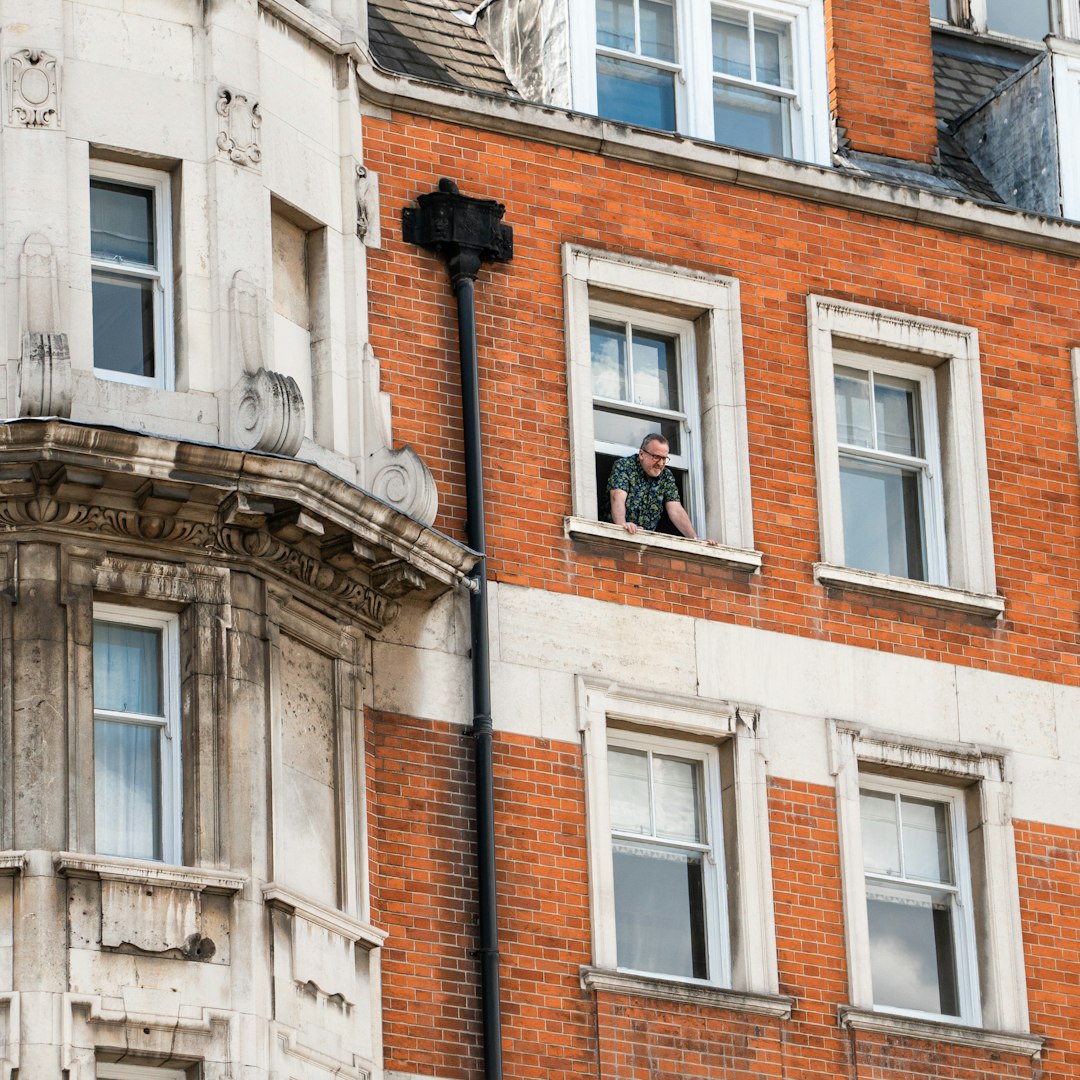
The streets between East Putney tube station and Putney Heath — Oxford Road, Lacy Road, Hotham Road, and the residential roads running south towards the heath — contain some of south London’s most substantial Edwardian period housing. These are properties with significant garden plots, deep foundations, and drainage systems that have accumulated over a century of modification.
The original clay drainage in these properties was laid to serve a house of a particular size and specification. Over the past 100 years, loft conversions, rear extensions, basement excavations, and outbuilding modifications have all introduced new waste connections. Each addition has been made with the materials and standards of its time: clay initially, pitch fibre in the post-war period, uPVC from the 1980s onwards. The result in a typical Putney Edwardian survey is a drain run that moves through three different pipe materials in a single continuous length, with joints between each material that are the points of highest failure risk.
CCTV surveys in Putney’s larger properties take longer than surveys of the standard terrace: there are more inspection chambers, longer drain runs, and more connections to trace. The resulting report is proportionately detailed — and proportionately useful to a buyer making a decision about one of London’s most significant residential acquisitions.
Thames Riverside Drainage
The section of SW15 along the Thames — Lower Richmond Road, the Embankment, and the residential development between Putney Bridge and the Upper Richmond Road — sits in a tidal groundwater zone. The Thames water table in this area responds to tidal cycles, and groundwater pressure against buried drainage varies with the tide.
For residential properties on the riverside, this creates a drainage environment different from inland south London. Gravity drainage is less reliable when groundwater pressure is high, and pipe joints that are structurally sound may allow groundwater infiltration when external pressure is elevated. Properties with basements in this zone require careful drainage assessment — the basement drainage must be protected against backflow during tidal high-water conditions.
The Putney Pre-Purchase Survey Market
Putney properties transact at high prices and attract buyers who expect to carry out thorough due diligence. Pre-purchase CCTV drain surveys are an established part of Putney conveyancing, particularly for the larger period properties where the drainage system may be complex and the potential repair costs substantial. Our engineers carry out surveys across SW15 with same-day booking and WRC-standard reports within 24 hours. The report is formatted for use in conveyancing and accepted by solicitors and mortgage lenders.
Roehampton
The Roehampton area at the western edge of SW15 — bordering Richmond Park — has a more varied housing stock, including estate housing and some older properties on the park boundary. Drainage in this area is less characteristically Victorian clay than the main Putney residential streets, but CCTV surveys here do find the same range of issues: displaced joints, root ingress, and in some of the older properties, pitch fibre failure.
Property Types in Putney
- Edwardian detached and semi-detached houses
- Victorian terraces and villas
- Thames riverside apartments
- Large period family houses
- Modern riverside developments
Common Drainage Issues in Putney
- Tidal groundwater influence on riverside drainage
- Multi-material pipe run failures at transition joints
- Root ingress from large garden and street trees
- Displaced joints in clay from London clay movement
- Drainage modifications from repeated extensions
Frequently Asked Questions — Putney
How does Thames proximity affect drains in Putney's riverside properties?
Why are multi-material drain runs common in Putney's larger Edwardian houses?
Do Putney properties tend to have complex drainage due to extensions?
How long does a CCTV drain survey take in a large Putney property?
Get a free survey quote today
Local engineers covering Putney. WRC-standard reports, no hidden fees.