CCTV Drain Survey Morden
We cover SM4. Request a quote and we will pass it on straight away.

Need a drain survey in Morden?
London drainage specialists. Ask about the earliest slot. Ask for a report to the WRC standard, because lenders may ask for it.
· Morden, London
Morden is outer south London at its most suburban. It is the end of the Northern line’s Morden branch. The streets of SM4 grew fast after the Underground arrived in 1926.
Many homes are interwar, while closer to the town centre there are Victorian terraces and earlier homes from before the tube era. The interwar stock includes 1930s semis on generous plots, the large St Helier estate and some later post-war homes.
1930s Drainage — Pitch Fibre and Clay
Morden’s drains differ from the inner south London Victorian terrace pattern. The main home type, the 1930s semi, was drained in clay when built. However, post-war repairs from about 1950 to 1980 added a lot of pitch fibre. That pitch fibre is now decades old and showing its age.
Pitch fibre deformation can be found in Morden’s 1930s homes. The pipe bore narrows as the material absorbs ground moisture. Drain runs under big gardens can be long, so a deformed section can restrict flow over a long length. In advanced cases, collapse blocks the pipe fully.
Relining is a common fix. It places a structural liner inside the deformed pitch fibre. As a result, the bore is restored and further deformation is limited.
Root Ingress in Suburban Plots
Morden’s 1930s semis sit on plots much larger than inner London terraces. These big gardens often hold mature trees, such as apple, oak and willow. Their roots reach deep towards any moisture, including drain runs below the garden.
In inner London, street trees and Tree Preservation Orders can be a root concern. In Morden, garden trees can be the source. Check with the council whether a Tree Preservation Order applies before any tree work. Relining may be the more practical response, since it seals the entry point without removing the tree.
The St Helier Estate
The London County Council built the St Helier estate between 1928 and 1936. It was one of the largest interwar social housing developments and covers much of SM4. Its drains used clay, mostly, with pitch fibre repairs in some parts.
The estate drains can fail in the same ways as private housing. As a result, pre-purchase surveys may matter as homes on the estate change hands.
Surveying Morden
While surveys are available across all SM4 postcodes, ask about the earliest available slot. Ask for a written quote before any work starts. Ask when your WRC-standard report will be ready after the site visit.
Where London clay lies under a street in Morden, it shrinks in dry summers and swells in wet winters. Pipes can move as a result, so read how London clay affects drains.
Our guides go into more detail. For drains in Morden, read Victorian Terraces in South West London and Their Drains .
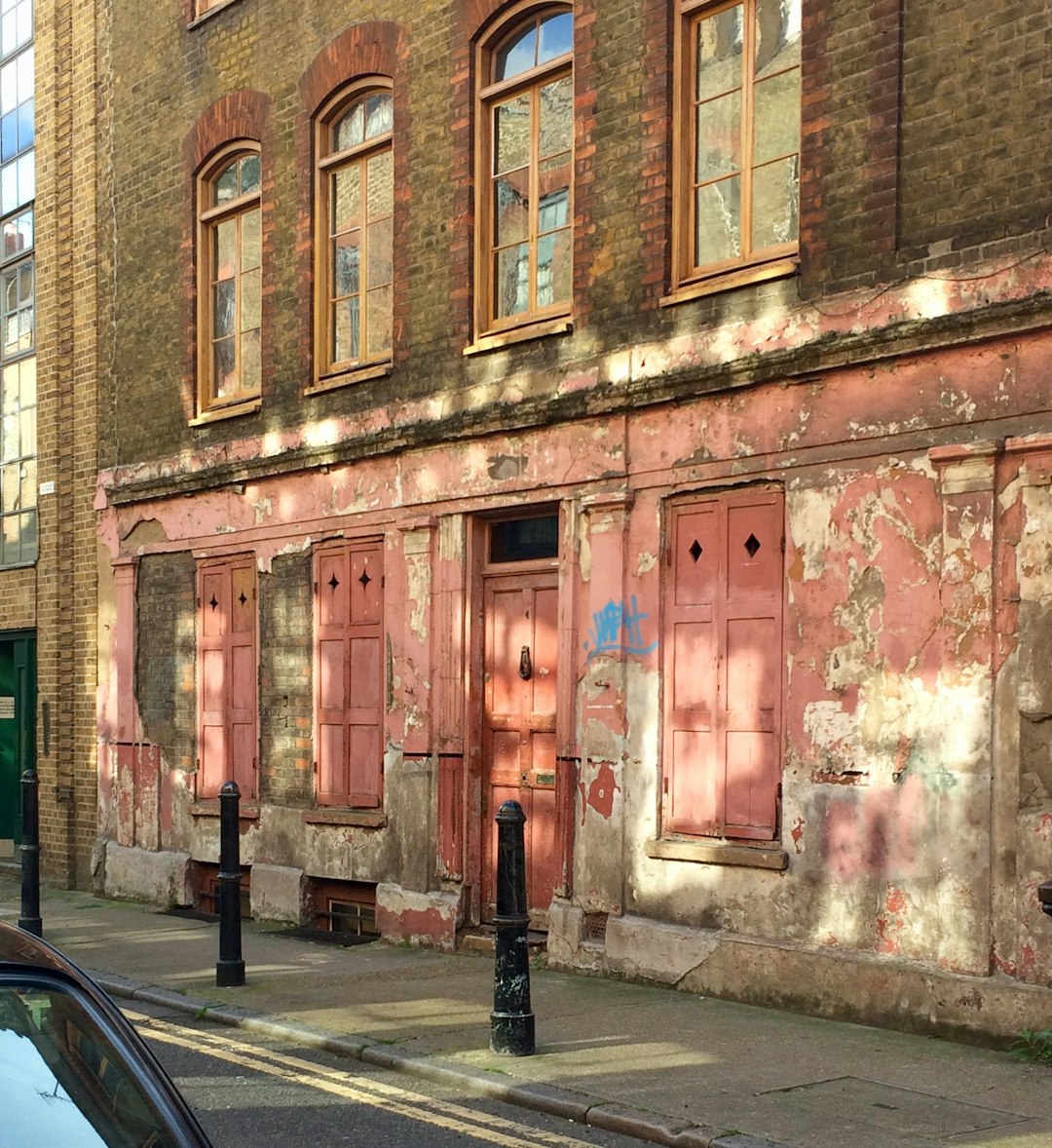

Property Types in Morden
- 1930s semi-detached houses
- Post-war housing
- Victorian terraces (older sections)
- Interwar period housing
- 1960s-70s suburban housing
Common Drainage Issues in Morden
- Pitch fibre deformation and collapse in 1950s-70s repairs
- Root ingress from garden trees in suburban plots
- Joint displacement in clay under varying subsoil
- Drain capacity issues in aging 1930s systems
- Shared drain disputes in older terrace sections
Frequently Asked Questions — Morden
What drainage issues are common in Morden's 1930s housing?
Does the geology under Morden affect drainage differently from inner London?
Is a drain survey worth commissioning in Morden's more modest property market?
Do you cover the St Helier estate for drain surveys?
Get a free survey quote today
Surveys across Morden. Ask for a report to the WRC standard. Ask for a written quote before any work starts, since you then know the cost up front.