CCTV Drain Survey Ilford
Covering postcodes: IG1, IG2, IG3

Need a drain survey in Ilford?
London drainage specialists with same-day availability. WRC-standard report within 24 hours.
· Ilford, London
CCTV Drain Surveys in Ilford
Ilford is one of east London’s largest and most densely populated suburbs, and its drainage infrastructure reflects the speed at which the area was built out during the late Victorian and Edwardian periods. Between approximately 1885 and 1914, thousands of terraced and semi-detached houses were constructed across what are now the IG1, IG2, and IG3 postcode areas to house workers commuting into the City on the new Great Eastern Railway. The drainage serving those properties is now well over a century old.
A CCTV drain survey in Ilford means camera inspection through that original Victorian clay pipework — and in a large proportion of cases, it reveals problems that property owners were completely unaware of. Request a free quote online.
The Geology Beneath Ilford’s Streets
Ilford sits on London clay, and that geological fact has a direct consequence for drainage. London clay expands when saturated with winter rainfall and contracts as it dries during summer. Over decades, this seasonal shrink-swell cycle applies cumulative stress to rigid clay drain pipes, progressively displacing joints, cracking pipe barrels, and creating the offset sections that catch solids and encourage root penetration.
The problem is compounded by Ilford’s street trees — the mature limes, planes, and horse chestnuts that line residential roads throughout IG1, IG2, and IG3. Tree roots follow moisture into displaced pipe joints, eventually infiltrating and obstructing the drain run entirely. In most Ilford streets, the trees and the drains have been competing for the same underground space for over a hundred years.
What Property Types Does Ilford Have and What Drainage Issues Do They Face?
Victorian terraces (IG1 and IG2) represent the oldest housing stock and are where drainage defects are most frequently found. These properties were drained with 4-inch and 6-inch salt-glazed clay pipes in relatively shallow trenches. Original drain layouts typically ran the rear soil stack to a back yard gully, then in a straight run to the public sewer connection at the front or rear of the plot. Any joint displacement along that run creates an accumulation point.
Edwardian semis across Newbury Park and Goodmayes are broadly similar in drainage terms to Victorian stock. The pipe materials and laying depths are comparable. The semi-detached format means shared drainage between pairs of properties is common — both owners share liability for the connecting section between the two properties and the public sewer boundary.
1930s semis across Barkingside and the eastern parts of IG3 typically have slightly newer concrete or glazed ware drainage, but are still 85-plus years old and show the same clay-induced joint displacement found elsewhere in the borough.
Converted flats — increasingly common throughout IG1 as period houses have been divided — present additional complexity. Drainage that was designed for a single household now serves multiple units, increasing the hydraulic load on pipework that was never designed for it.
Why CCTV Survey Matters in Ilford Specifically
Ilford has one of the highest housing densities in outer east London, and the volume of pre-purchase and pre-works surveys we carry out in IG1, IG2, and IG3 reflects the scale of the drainage risk in ageing stock.
Pre-purchase surveys are particularly important here. A property’s drainage may look functional at time of purchase — drains drain, toilets flush — but CCTV regularly reveals displaced joints, partial root ingress, and build-up of fat deposits that will cause a full blockage within months of purchase. Discovering this before exchange of contracts costs a few hundred pounds. Discovering it six months into ownership typically costs several thousand.
For landlords with buy-to-let properties across Ilford’s many converted Victorian and Edwardian houses, drainage condition surveys form part of responsible property management. Recurring tenant complaints about slow drainage or blockages are almost always resolvable with a single survey and targeted repair, rather than repeated reactive unblocking visits.
Common Drainage Defects Found in Ilford
Our engineers carry out a significant volume of surveys across IG1, IG2, and IG3 and report the following defects most frequently:
Joint displacement is by far the most common finding. The shrink-swell movement of London clay has displaced pipe joints throughout Ilford’s Victorian drain runs. Displaced joints cause partial obstruction and allow root infiltration.
Root ingress ranges from fine root tendrils at joint gaps through to mature root masses that completely block 4-inch pipe sections. Streets with dense mature tree planting — which describes most of residential Ilford — show the highest rates of root ingress.
Cracked and collapsed pipe sections are found in the oldest drain runs, typically in properties built before 1900 in central Ilford. Collapsed pipe requires excavation and relay — a CCTV survey establishes the exact location and extent before any excavation begins.
Fat and grease build-up is widespread across IG1 and IG2, reflecting the cooking volumes in densely occupied houses and converted flats. FOG deposits accumulate on pipe walls, progressively narrowing the bore and eventually causing total blockage.
For drain surveys in Ilford call our enquiry form at /contact/. We cover all IG1, IG2, and IG3 postcodes, with survey reports delivered within 24 hours of inspection.
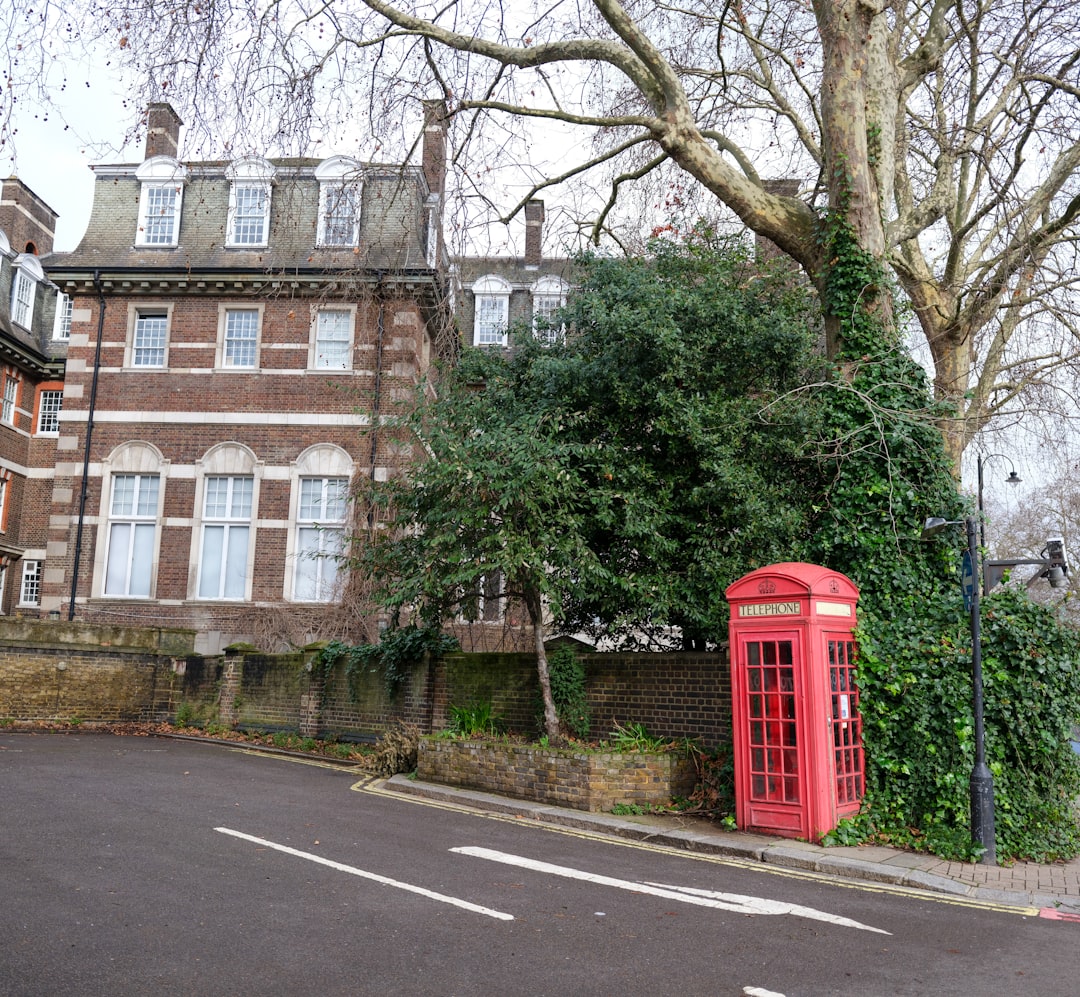

Property Types in Ilford
- Victorian terraces
- Edwardian semi-detached
- 1930s semis and detached
- Converted flats
- 1960s–70s council estates
- Modern new-build estates
Common Drainage Issues in Ilford
- Clay pipe joint displacement from London clay ground movement
- Root ingress from street trees and garden vegetation
- Collapsed or cracked Victorian drain runs
- Blockages in ageing shared drainage on terrace rows
- Inadequate gradient in older drainage layouts
- Silt accumulation in long straight runs
- Combined drainage from pre-1950 properties
Frequently Asked Questions — Ilford
Why are Victorian terraces in Ilford so prone to drainage problems?
Does London clay beneath Ilford cause drainage problems that wouldn't exist in other soil types?
I'm buying an Edwardian semi in Ilford IG2 — is a drain survey worth commissioning before exchange?
How does Ilford's large South Asian community's cooking practices affect drainage?
Get a free survey quote today
Local engineers covering Ilford. WRC-standard reports, no hidden fees.