CCTV Drain Survey Highgate
Covering postcodes: N6
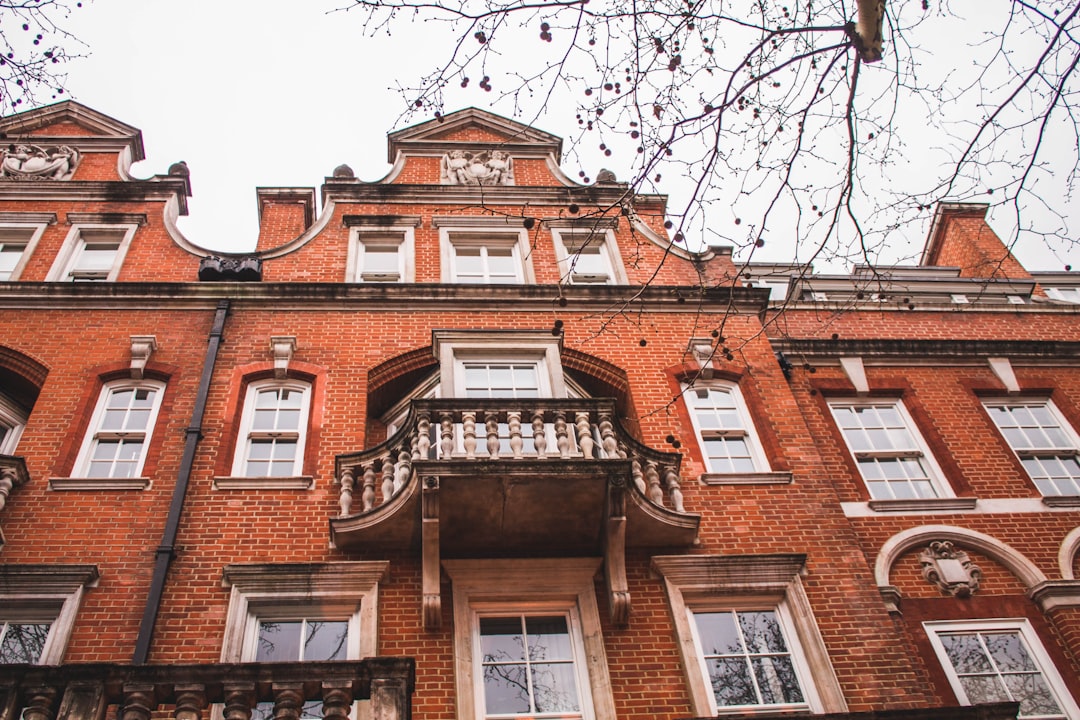
Need a drain survey in Highgate?
London drainage specialists with same-day availability. WRC-standard report within 24 hours.
· Highgate, London
CCTV Drain Surveys in Highgate, N6
Highgate occupies a prominent position on the ridge between Hampstead Heath and the northern reaches of inner London, with the distinctive character of a preserved village community set within the urban fabric of Greater London. The area is defined by large Victorian villas, Georgian terraces in the historic village core, and the dramatic Victorian landscape of Highgate Cemetery — one of the most significant historic burial grounds in Britain. The combination of large property plots, a mature urban tree canopy, and London clay subsoil creates a drainage environment of above-average complexity.
Clay Geology and Long Drain Runs
London clay underlies Highgate as it does the broader north London inner belt. The elevated position of Highgate Village does not diminish the clay’s influence — the stratum extends to significant depths and continues to exert its seasonal shrink-swell pressure on buried pipework. In the context of Highgate’s large Victorian villa plots — with private drain runs of 25–45 metres from house to public sewer — this means that clay joint displacement accumulates over significant distances.
A 35-metre drain run in London clay that was laid in 1895 will have experienced over 125 years of clay movement at every joint along its length. In our N6 surveys, multiple joint displacement events across the full length of a villa drain run is a common finding — a defect profile that requires careful condition grading and repair prioritisation across the full pipe survey.
Highgate Cemetery and Root Ingress
Highgate Cemetery’s 17 hectares of Victorian landscaped grounds contain an exceptional concentration of mature trees — yews, cypresses, cedars, and other Victorian planting that has now reached full maturity. The root systems of these trees extend well beyond the cemetery boundaries into the adjacent residential streets. Properties on Swain’s Lane, Waterlow Park borders, and the streets surrounding the Eastern Cemetery are particularly exposed.
Where cemetery trees are on land managed by the Friends of Highgate Cemetery, the drainage remedy for any root ingress must be relining or mechanical root cutting rather than any approach that would affect the cemetery’s tree stock. Our reports identify the likely source and recommend appropriate drainage remedies within these constraints.
Victorian Villas — Drainage at Scale
The large detached and semi-detached Victorian villas that characterise North Hill, The Grove, and the surrounding conservation streets have substantial drainage infrastructure — multiple bathrooms, separate kitchen connections, outbuilding drainage, and in some cases older brick-built inspection chambers from the original construction. These larger properties take longer to survey comprehensively, and the full survey scope requires experienced operators who understand the multi-level drainage layouts common in Victorian villa construction.
We survey all property types in N6. Same-day availability for urgent pre-exchange surveys. WRC-standard reports within 24 hours. Request a free quote online.
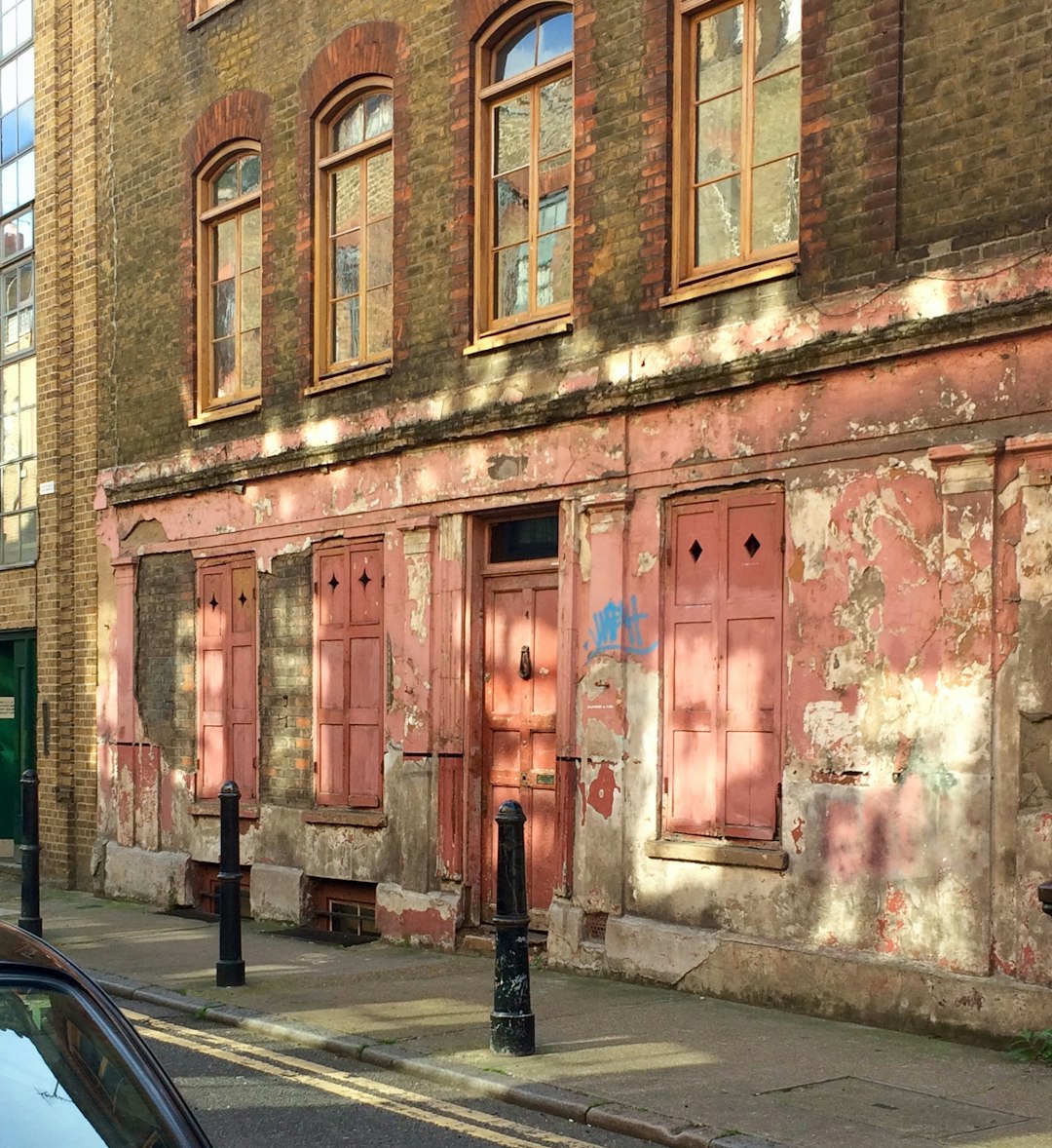

Property Types in Highgate
- Large Victorian villas
- Edwardian detached and semi-detached houses
- Victorian mansion blocks
- Converted period properties
- Georgian terraces
Common Drainage Issues in Highgate
- Clay geology pipe displacement across the village
- Root ingress from Highgate Cemetery and garden trees
- Long private drain runs on large villa plots
- Combined and separate sewer arrangements
- Deteriorating inspection chambers in older villas
Frequently Asked Questions — Highgate
Does proximity to Highgate Cemetery affect drainage in nearby properties?
What makes Highgate Village's drainage particularly challenging?
Are there drainage issues specific to Dartmouth Park's Victorian houses?
How long does a CCTV survey take for a large Highgate villa?
Get a free survey quote today
Local engineers covering Highgate. WRC-standard reports, no hidden fees.