CCTV Drain Survey Harrow
Covering postcodes: HA1, HA2, HA3
Need a drain survey in Harrow?
London drainage specialists with same-day availability. WRC-standard report within 24 hours.
· Harrow, London
CCTV Drain Surveys in Harrow
Harrow’s suburban residential streets — built primarily in the Victorian, Edwardian, and interwar periods — sit on London clay geology that is active throughout the year. Clay drainage installed in properties across HA1, HA2, and HA3 has been subject to decades of ground movement, root ingress, and general deterioration. A CCTV drain survey establishes the condition of this drainage precisely, providing the WRC-graded evidence needed for pre-purchase decisions, insurance claims, and drainage remediation planning.
Victorian and Interwar Housing Stock
The Victorian terrace streets of Harrow town centre and the extensive interwar semi-detached development across Kenton, Pinner, and South Harrow represent the dominant residential property types in the borough. Victorian clay drainage typically runs beneath rear gardens in 100mm pipes, connecting to inspection chambers before joining the public sewer. In Harrow’s interwar stock, drainage is slightly more recent — 1920s to 1940s — but the clay pipes have still been in service for 80 to 100 years and are subject to the same London clay ground movement effects.
London Clay Ground Movement
Harrow’s clay geology causes continuous shrink-swell movement that displaces pipe joints year on year. Root ingress through these joints from garden and street trees is the most consistently recorded defect in the borough. Where tree removal is not practical, in-situ lining is the appropriate solution. The survey report provides the technical basis for choosing and specifying the correct remedy.
Updated: April 2026. Request a free quote online for Harrow drain survey availability.
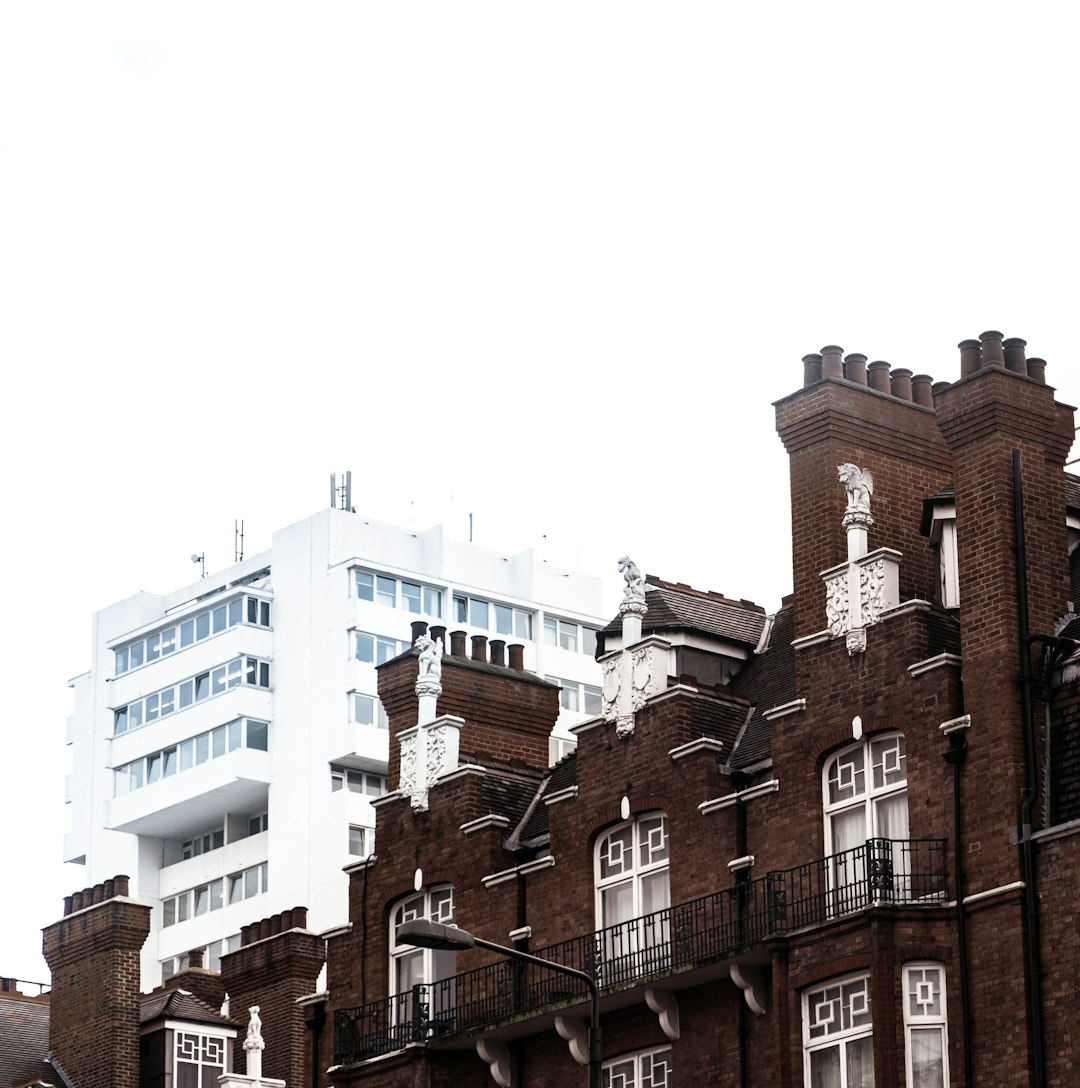

Property Types in Harrow
- Victorian terraces
- Interwar semi-detached houses
- Edwardian terraces
- Period conversion flats
- Modern detached houses
Common Drainage Issues in Harrow
- Clay pipe displacement from London clay shrink-swell
- Root ingress in mature suburban streets
- Shared drain disputes in interwar semi-detached properties
- Collapsed Victorian clay pipe sections
- Blocked surface water drainage
- Combined sewer surcharging in older streets
Frequently Asked Questions — Harrow
What drainage problems are most common in Harrow's interwar semi-detached houses?
Does Harrow's clay geology cause specific drainage issues?
How long does a drain survey take in a Harrow semi-detached house?
Do you cover all of the Harrow postcodes?
Get a free survey quote today
Local engineers covering Harrow. WRC-standard reports, no hidden fees.