CCTV Drain Survey Greenwich
Covering postcodes: SE10
Need a drain survey in Greenwich?
London drainage specialists with same-day availability. WRC-standard report within 24 hours.
· Greenwich, London
What Does a CCTV Drain Survey in Greenwich Involve?
A CCTV drain survey in Greenwich provides a high-definition camera assessment of drainage systems with WRC condition grading, identifying structural defects, groundwater infiltration, root ingress, and shared drain boundaries. Greenwich’s drainage is shaped by its extraordinary concentration of period property, Thames proximity, World Heritage Site designation, and the ongoing Tideway Tunnel infrastructure that affects several riverfront locations in SE10.
Greenwich is one of London’s most historically significant boroughs — and one where drainage complexity reflects that heritage. Georgian and Victorian terraces in Greenwich town centre, period properties near the waterfront, and the distinctive mix of heritage and new development along the riverside all present drainage scenarios requiring specialist local knowledge.
How Does Thames Proximity Create Drainage Challenges in Greenwich?
Greenwich’s location on the Thames flood plain creates groundwater conditions that differ from inner London boroughs. Tidal fluctuation in the Thames affects water table levels in low-lying parts of SE10, particularly in areas close to the riverfront and along the Deptford Creek corridor. Properties in these areas experience elevated groundwater during periods of high river levels and sustained rainfall.
Elevated groundwater infiltrates through open-jointed clay pipework — one of the most consistently recorded defects in SE10 drainage surveys. Infiltration through open joints reduces drain capacity and creates the conditions for surcharging during peak flow periods. Where infiltration is severe, the volume of groundwater entering the drain run can be substantial.
Combined sewer surcharging risk in low-lying Greenwich is higher than in the elevated areas of the borough. Properties with basement or ground-floor drainage in the river flood plain should be specifically assessed for backflow protection adequacy.
What Is the Tideway Tunnel Impact on Greenwich Drainage?
The Thames Tideway Tunnel — construction of which is now complete — has infrastructure emerging at several locations along the Greenwich riverfront, including the Chambers Wharf site. Construction activities associated with the project required drainage diversions and modifications to existing infrastructure in some SE10 locations.
Property owners in streets adjacent to former Tideway construction sites should commission a CCTV drain survey if they have not done so since construction activity concluded. Any drainage modification, temporary diversion, or construction vibration near drain runs should be assessed to confirm that drainage is now functioning correctly and that no connection has been altered or damaged during the construction period.
What Are the Specific Drainage Challenges of Greenwich’s Period Properties?
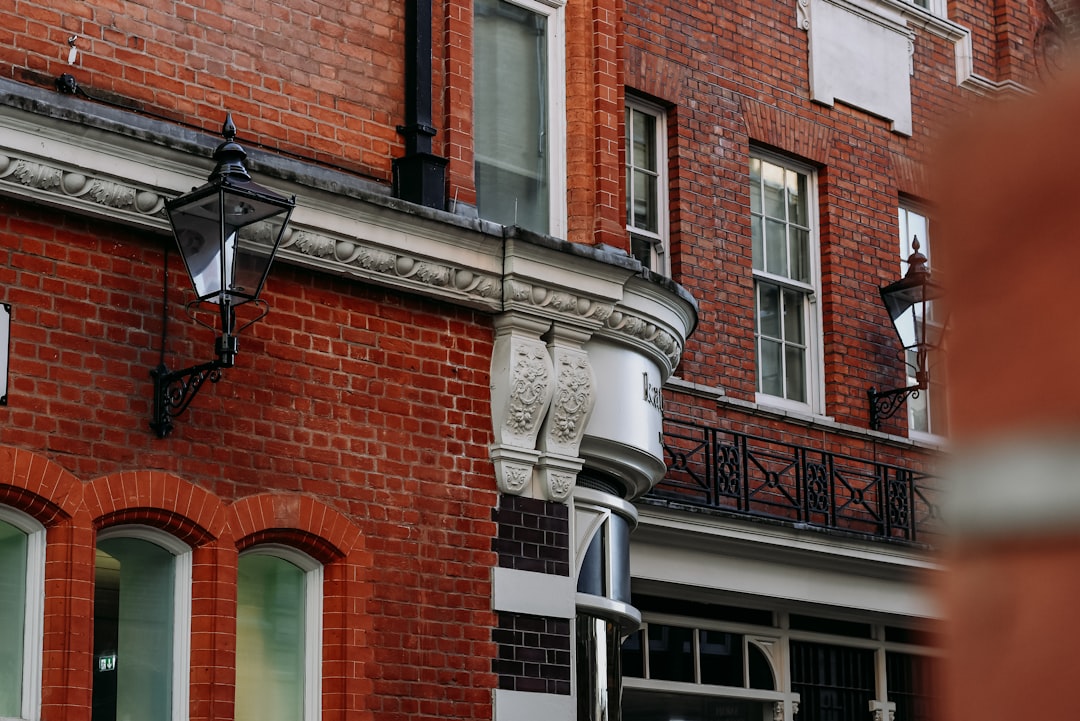
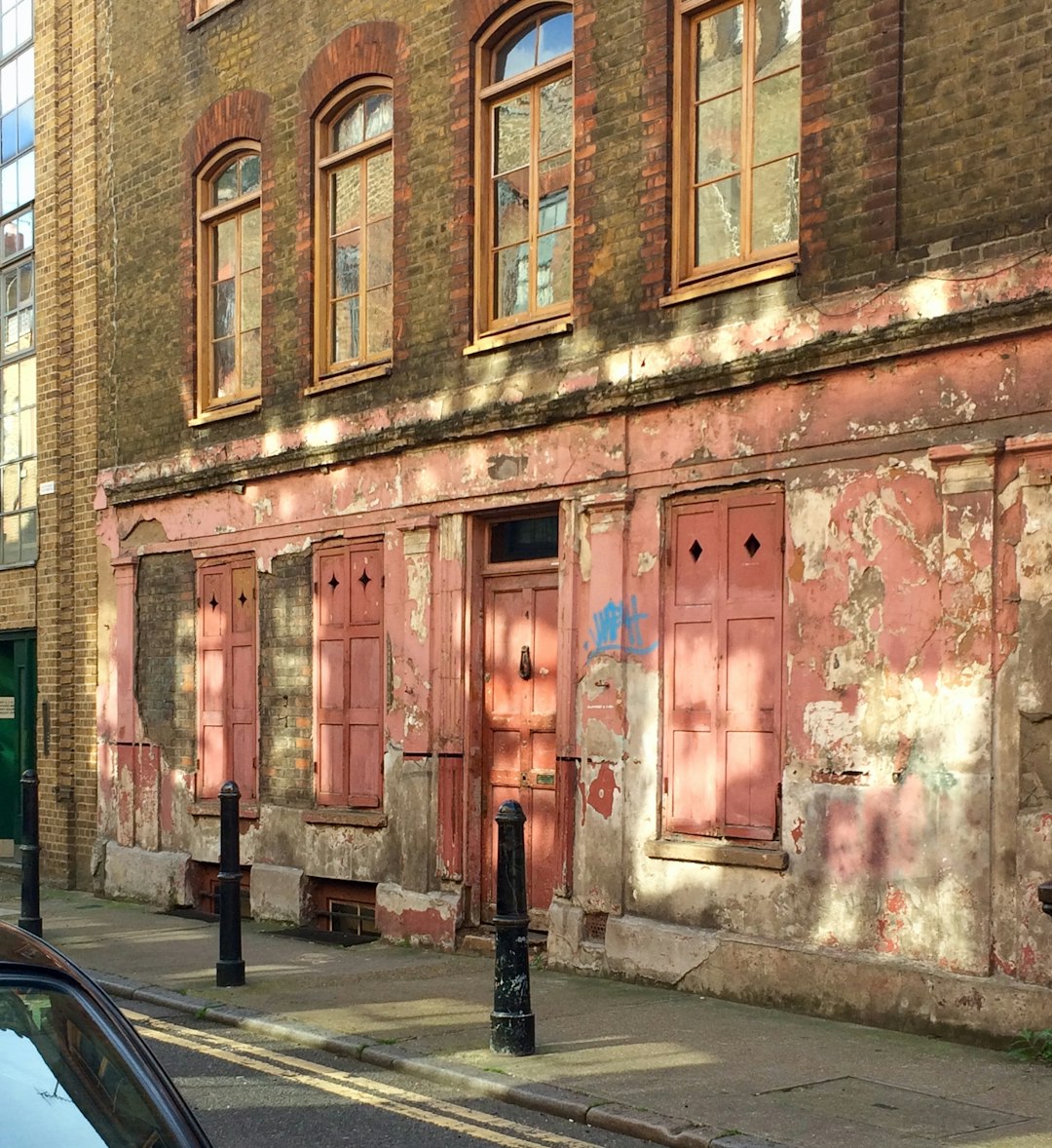
Greenwich town centre contains one of the highest concentrations of pre-1919 residential and commercial property in outer South London. Georgian terraces, Victorian townhouses, and period commercial buildings in the conservation areas around Greenwich Church Street and College Approach have original drainage that has been in continuous use for well over a century.
Shared drainage between converted period properties is common in Greenwich town centre. The large Georgian and Victorian buildings that have been subdivided into flats share drain runs that were originally designed for single-household or commercial use. Mapping these shared systems — and establishing the condition of shared runs — is a core element of our Greenwich homebuyer and commercial surveys.
Conservation area restrictions across the Greenwich town centre and the World Heritage buffer zone mean that excavation-based drainage remediation requires planning consideration. In-situ pipe lining — where pipe condition permits — is the preferred remedy, and our survey reports establish whether lining is technically viable.
Updated: April 2026. Request a free quote online for Greenwich drain survey availability.
Property Types in Greenwich
- Georgian and Victorian terraces
- Period townhouses
- Converted flats in period buildings
- New riverside apartment developments
- Commercial and mixed-use heritage premises
Common Drainage Issues in Greenwich
- Period property drainage in World Heritage Site context
- Thames proximity and tidal groundwater influence
- Tideway Tunnel construction impact on local drainage
- Shared drainage in converted period properties
- Conservation area restrictions in Greenwich town centre
Frequently Asked Questions — Greenwich
How does Greenwich's Thames proximity affect drainage?
What impact has the Thames Tideway Tunnel had on Greenwich drainage?
Are Greenwich World Heritage Site properties subject to special drainage work restrictions?
What drainage surveys are needed for Greenwich period property purchases?
Get a free survey quote today
Local engineers covering Greenwich. WRC-standard reports, no hidden fees.