CCTV Drain Survey Blackheath
Covering postcodes: SE3
Need a drain survey in Blackheath?
London drainage specialists with same-day availability. WRC-standard report within 24 hours.
· Blackheath, London
CCTV Drain Surveys in Blackheath
Blackheath is one of south-east London’s most sought-after residential areas — a village character, an iconic common, conservation area designation, and a stock of Georgian, Victorian, and Edwardian period properties that attract buyers from across the capital. It is also an area where the combination of period property drainage and conservation area constraints makes CCTV drain survey an essential part of property ownership and transaction.
Our surveys in SE3 use high-definition cameras to inspect drainage through existing access points, with WRC-graded condition reports delivered within 24 hours. Request a free quote online.
The Drainage Challenge Beneath Blackheath’s Period Properties
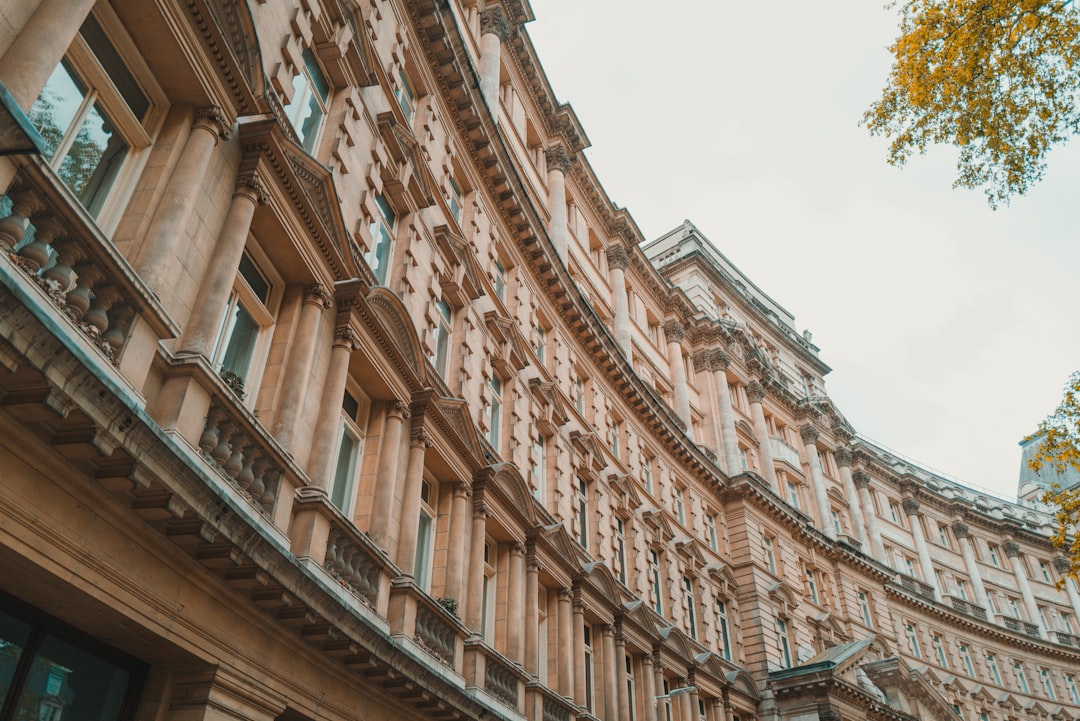
Blackheath’s residential streets contain some of south-east London’s finest Georgian and Victorian architecture. The properties facing the heath and in Blackheath Park are substantial — large Georgian townhouses, Victorian detached houses, and the mansion conversions that line the western side of the village. All of these properties share a common drainage heritage: clay pipe infrastructure installed during the Victorian era, now over a century old, and in many cases never significantly altered.
The London clay that underlies SE3 creates the same shrink-swell ground movement found throughout south and south-east London. Over 120-plus years, that movement has displaced pipe joints throughout Blackheath’s Victorian drain runs. Combined with the mature trees that shade the heath, line the conservation area streets, and fill the large private gardens of Blackheath Park’s detached houses, root ingress into displaced joints is widespread.
Property Types and Drainage Complexity
Georgian townhouses in and around Blackheath village are typically four or five storeys, with drainage that served the original household now serving multiple independent flats. The original Georgian drain stack was a single lead or stoneware pipe designed for 19th-century domestic water use. Now connected to four or five modern kitchens, bathrooms, and laundries, the hydraulic load on this ageing infrastructure is far beyond its original design parameters.
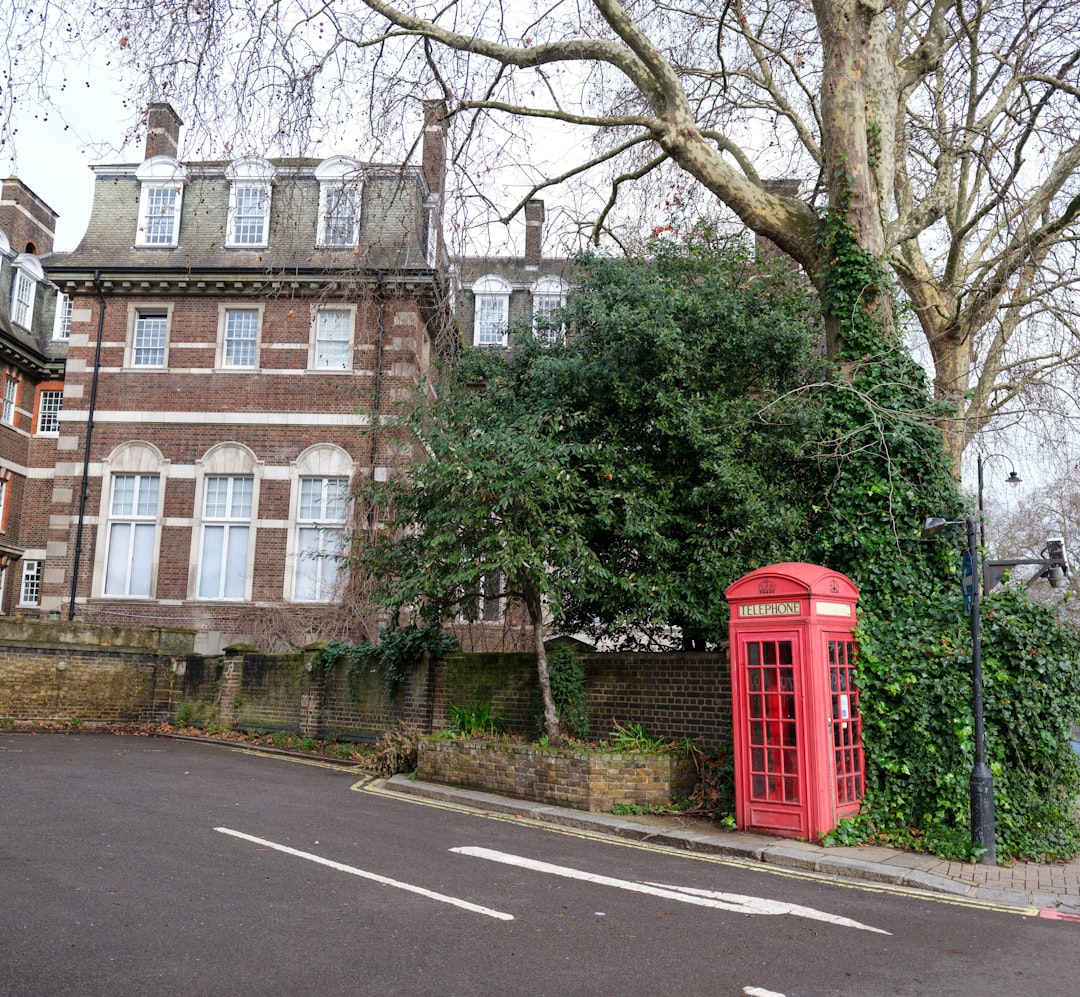
Victorian detached houses in Blackheath Park have extensive drainage layouts across large plots. Properties with coach houses, rear additions, and converted outbuildings may have multiple drain runs converging on a single public sewer connection. Original Victorian brick inspection chambers — still present in many Blackheath Park properties — are a known failure point, with mortar deterioration and partial collapse found regularly.
Period conversions and mansion blocks present the shared drainage complexity that affects all multi-occupancy period buildings. When a Victorian or Edwardian property is converted to flats, drain ownership between flat owners and the freeholder is rarely made explicit. Defects discovered during a survey of shared drainage sections create genuine liability questions that benefit from clear documentation.
Conservation Area Drainage Works in Blackheath
Blackheath conservation area covers a substantial proportion of SE3’s residential streets, and Royal Borough of Greenwich planning policy governs works affecting the external fabric and subterranean structure of properties within the designated area. Drainage excavation in front gardens or driveways that affects the public realm or listed structures requires careful management.
In practice, many drainage defects identified in Blackheath CCTV surveys are repairable by in-situ lining — inserting a new structural lining into the existing pipe from access points at each end, without excavation. This technique is particularly well-suited to the conservation area context because it avoids any surface disruption and creates no external works requiring consent.
Where excavation is unavoidable — for collapsed sections or severely damaged inspection chambers — the CCTV survey report provides the justification for the works and supports any necessary prior approval application to the council’s planning department.
Pre-Purchase Surveys in Blackheath
Blackheath properties command premium prices — Georgian townhouses and large Victorian detached houses in SE3 can exceed £2 million. At these price points, the cost of a CCTV drain survey is a negligible proportion of the transaction value, and the financial protection it provides is proportionally significant.
Pre-purchase survey findings in SE3 typically reveal combinations of displaced clay pipe joints, root ingress from large garden and street trees, and in multi-flat conversions, shared drainage that is not maintained to any consistent standard. These findings create direct leverage in price negotiation.
Request a free quote online for CCTV drain surveys in Blackheath SE3.
Property Types in Blackheath
- Georgian townhouses
- Victorian terraces and semis
- Large Victorian detached houses
- Edwardian mansion blocks
- Converted period flats
- Listed buildings
Common Drainage Issues in Blackheath
- Original Victorian clay pipe drainage in period properties
- Root ingress beneath Blackheath common and garden squares
- Shared drainage in converted Georgian and Victorian properties
- Conservation area restrictions on drainage excavation
- Listed building drainage complexity
- Fat and grease in densely occupied conversions
- Collapsed brick inspection chambers
Frequently Asked Questions — Blackheath
Does Blackheath's conservation area designation affect what drain repairs I can carry out?
My Blackheath Georgian townhouse has been converted to flats — what drainage issues should I expect?
Are Blackheath Park's large Victorian detached houses at higher risk than smaller properties?
I'm buying a converted flat in a Blackheath period building — should I survey the shared drainage?
Get a free survey quote today
Local engineers covering Blackheath. WRC-standard reports, no hidden fees.