CCTV Drain Survey Barking
Covering postcodes: IG11
Need a drain survey in Barking?
London drainage specialists with same-day availability. WRC-standard report within 24 hours.
· Barking, London
CCTV Drain Surveys in Barking
Barking is a compact east London borough with a diverse housing stock that ranges from Victorian terraces around the town centre through to post-war council estates, 1970s tower blocks, and the newer riverside apartment developments that have transformed the Barking Reach area. Each of these housing types brings its own drainage characteristics — and in a borough sitting close to the Thames estuary on low-lying ground, drainage performance matters.
Our CCTV drain surveys in IG11 use high-definition camera equipment to inspect drain runs from access point to public sewer connection, providing a full WRC-graded condition report. Request a free quote online.
Barking’s Drainage Geography
Barking sits at a relatively low elevation compared to much of London. The borough is bounded to the south by the River Thames, and much of the IG11 postcode sits on river terrace gravels and alluvial deposits over London clay. This geological context has practical drainage consequences.
Groundwater levels across Barking are higher than in elevated parts of London, and the hydrostatic pressure this creates on underground pipework is significant. Any crack or displaced pipe joint in Barking’s older drain runs is under sustained pressure from surrounding groundwater — this not only encourages infiltration but also accelerates the structural deterioration of already ageing clay pipe sections.
The Barking Creek — historically a major industrial waterway — drains much of the surface water from the IG11 catchment. During heavy rainfall, the combined sewers in older parts of Barking can surcharge, with consequences for low-lying ground-floor and basement properties.
What Property Types Are in Barking?
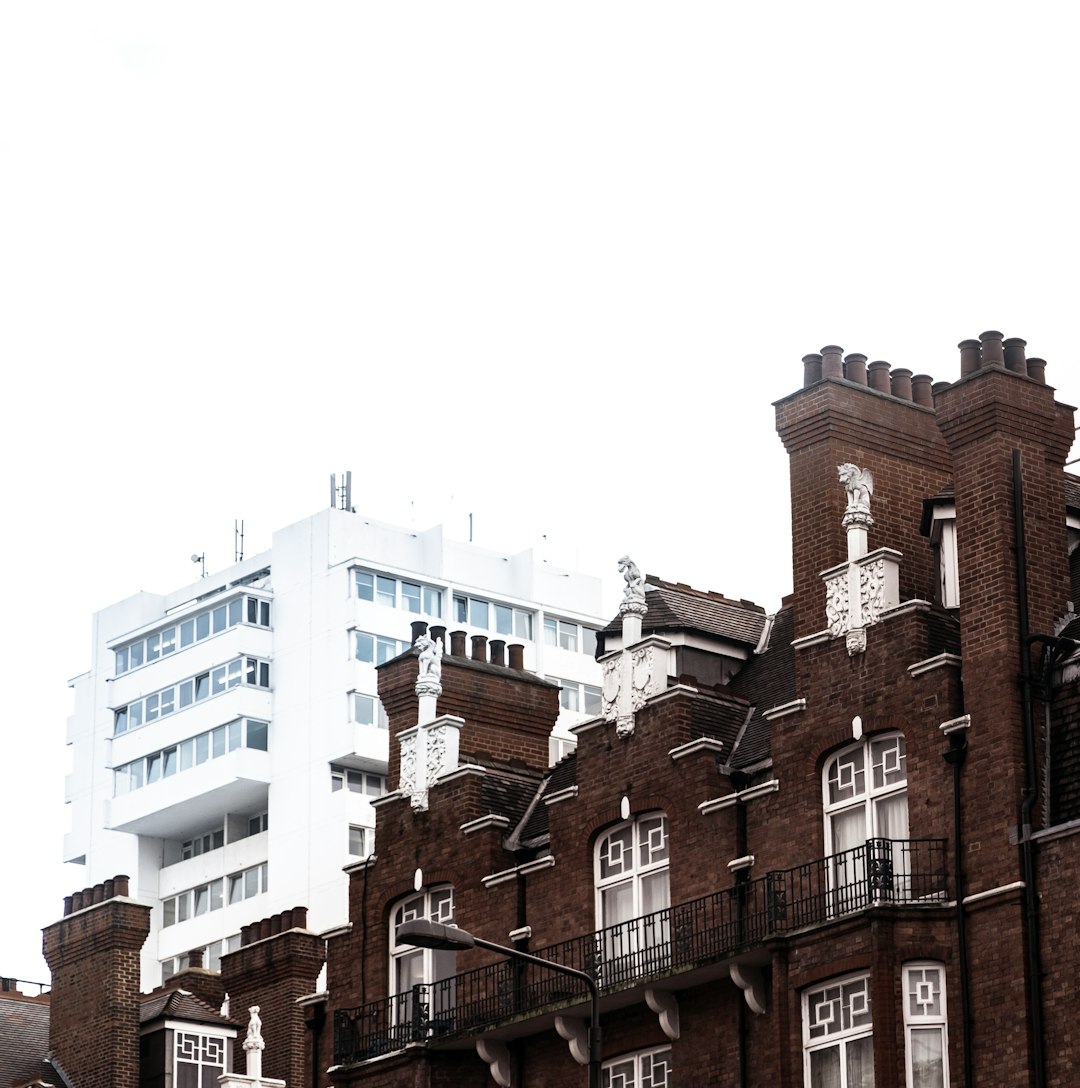
Victorian terraces in the streets around Barking town centre and Upney represent the oldest residential stock in the borough. These properties were built in the late nineteenth and early twentieth centuries to house workers in Barking’s once-significant manufacturing and processing industries. Their drainage is clay-pipe infrastructure of the same era as the housing, now 110-plus years old.
Post-war council housing built in the 1950s, 1960s, and 1970s covers a significant proportion of IG11’s residential area. Drainage in this stock varies: some estates used concrete pipe, others pitch-fibre, and the estate layout often means long shared drain runs connecting multiple properties to a single public sewer connection point.
Modern riverside apartments in the Barking Riverside development are a relatively recent addition to the borough. These properties have contemporary plastic drainage systems, but their connection to the wider infrastructure — and the management of shared drainage on the development — requires understanding.
Common Drainage Defects Found in Barking
Groundwater infiltration is a characteristic finding in Barking surveys that is less common in higher-elevation London boroughs. Where clay pipe joints have displaced, groundwater enters the drain — reducing effective capacity and increasing the volume reaching the public sewer.
Pitch-fibre deformation in 1960s–70s housing is a persistent finding. Pitch-fibre pipe was widely used in post-war construction and was expected to last 40 years. It is now well past that design life, and the characteristically deformed, egg-shaped bore that pitch-fibre develops creates a silt trap at the lowest point.
Root ingress in the Victorian street drainage around Barking town centre mirrors the pattern across east London — clay ground movement opens pipe joints; tree roots exploit those gaps.
Combined sewer surcharging affects low-lying ground-floor properties during heavy rainfall, particularly in the older parts of the borough. CCTV survey data helps establish whether private drainage layout and condition contributes to internal flooding risk.
Why Survey Before Works or Purchase in Barking
For prospective buyers, Barking offers relatively affordable housing compared to inner east London, but the drainage infrastructure serving much of that stock has not been upgraded to match the renovation work done to the properties themselves. A CCTV survey before exchange is a straightforward risk management step.
For landlords managing properties in IG11 — particularly in the Victorian terraces and estate housing — drainage condition surveys provide documentation of existing condition, identify approaching failures before they become emergency situations, and support planned maintenance rather than reactive repair.
Request a free quote online for CCTV drain surveys across all IG11 postcodes in Barking.
Property Types in Barking
- Victorian terraces
- Post-war council housing
- 1960s–70s tower blocks and estates
- Modern riverside apartments
- Converted terraces
- New-build estates
Common Drainage Issues in Barking
- High groundwater from Thames estuary proximity
- Root ingress in clay pipe drainage
- Collapsed Victorian drain sections
- Groundwater infiltration into older pipe joints
- Combined sewer surcharging in heavy rain
- Fat accumulation in densely occupied properties
- Structural defects in post-war concrete drainage
Frequently Asked Questions — Barking
Does Barking's proximity to the Thames estuary cause drainage problems?
Are Barking's post-war council estates a higher drainage risk than the Victorian streets?
I'm buying a new-build apartment near Barking riverside — do I need a drain survey?
How does Barking's mixed housing stock affect shared drainage liability?
Get a free survey quote today
Local engineers covering Barking. WRC-standard reports, no hidden fees.